The #1 E-Commerce Speed Optimization Agency
Expert E-Commerce Speed Optimization Services
Your online store is losing revenue every second it takes to load. Product pages, category pages, checkout flows, and cart interactions are all slower than they should be — costing you 7% in conversions for every additional second of load time. We optimize every page type across every e-commerce platform to maximize speed, conversions, and revenue.
E-commerce speed optimization is the highest-ROI investment an online store can make. Research consistently shows that every 100ms of improved load time increases conversions by 1% (Deloitte/Google). The average online store loses 7% of conversions per second of load time above 2 seconds — that's $7,000/month lost revenue for every $100K in monthly sales, per second of delay. Our e-commerce speed optimization service covers the entire shopping journey: homepage hero images and promotional banners, category page filtering and pagination, product page images and variant selectors, cart interactions and upsell widgets, checkout flow scripts and payment integrations. We optimize across all major platforms — Shopify, WooCommerce, BigCommerce, Magento, and custom headless builds — delivering sub-2-second load times, passing Core Web Vitals, and measurable conversion lifts.
Trusted by leading brands
ROI Calculator
How Much Revenue Is Your Slow Site Costing You?
Enter your URL — in 30 seconds, you'll see exactly how much revenue slow speed is costing you.
Enter your website URL
10,000+ sites analyzed · No login required · See your losses in 30 seconds
conversion loss per 1-second delay
of visitors leave after 3 seconds
Think with Google
in annual revenue lost to slow sites
Akamai
of consumers say speed affects purchases
Unbounce
higher bounce rate at 5s vs 1s load
of shoppers won't return to slow sites
Akamai
faster = 1% more conversions
Deloitte
sites analyzed by our tool
PageSpeed Matters
to form a first impression online
Google Research
abandon sites that take 3s+ to load
Portent
conversion loss per 1-second delay
of visitors leave after 3 seconds
Think with Google
in annual revenue lost to slow sites
Akamai
of consumers say speed affects purchases
Unbounce
higher bounce rate at 5s vs 1s load
of shoppers won't return to slow sites
Akamai
faster = 1% more conversions
Deloitte
sites analyzed by our tool
PageSpeed Matters
to form a first impression online
Google Research
abandon sites that take 3s+ to load
Portent
Who This Is For
Is Your Store Losing Revenue to Slow Speed?
Shopify & Shopify Plus Stores
Shopify stores running 15–30+ apps with theme customizations, custom sections, and marketing integrations that have accumulated speed debt over time.
WooCommerce Stores
WordPress/WooCommerce stores with 20–40 plugins, custom themes, and complex product catalogs where plugin bloat and hosting configuration are the primary speed killers.
Enterprise E-Commerce
Large-scale e-commerce operations with complex catalogs, multi-currency, B2B pricing, and custom checkout flows where speed optimization requires deep platform expertise.
High-Growth DTC Brands
Fast-growing direct-to-consumer brands spending heavily on paid acquisition where every second of load time directly impacts ROAS and customer acquisition cost.
The Problem
How Slow Speed Is Killing Your Store Revenue
Product Pages Take 5–8 Seconds to Load
High-resolution product images (often 10–20 per product), variant selector JavaScript, review widgets, recommendation carousels, and social proof popups create product pages that take 5–8 seconds to become interactive. Every second past 2 seconds costs you 7% of potential conversions.
Guide: E-Commerce SpeedCheckout Abandonment from Slow Payment Flow
Payment scripts (Stripe, PayPal, Affirm, Klarna), address validation, tax calculation, shipping rate APIs, and fraud detection scripts all execute during checkout. A 3–5 second checkout delay causes 20–30% of customers to abandon at the final step — the most expensive abandonment point.
Guide: Core Web VitalsCategory Pages Lag on Filter & Sort
When customers filter by size, color, or price on category pages with 100+ products, the page freezes while JavaScript re-renders the product grid. This creates 300–800ms interaction delays that fail INP and frustrate shoppers trying to find what they want.
Guide: INP OptimizationApp & Plugin Script Overload
The average e-commerce store has 15–30 installed apps/plugins — reviews, upsells, loyalty, chat, email capture, analytics, social proof, countdown timers. Each adds JavaScript and CSS to every page. Collectively, they consume 2–5 seconds of main-thread time.
Guide: Script OptimizationMobile Shopping Experience Is Broken
60–70% of e-commerce traffic is mobile, but mobile load times are typically 2–3x slower than desktop. Product images aren't properly sized for mobile screens, JavaScript execution is slower on mobile CPUs, and touch interactions are blocked by Long Tasks.
Guide: Mobile SpeedCore Web Vitals Failing on Key Pages
Google uses Core Web Vitals as a ranking signal. E-commerce sites with failing CWV on product and category pages see lower organic rankings, reduced visibility in Shopping results, and higher cost-per-click in paid campaigns. The most common failures: LCP from unoptimized hero images, INP from heavy JavaScript, and CLS from late-loading elements.
Guide: Core Web VitalsHow We Fix It
End-to-End Store Speed Optimization
Product Page Speed Optimization
We optimize product images with next-gen formats (WebP/AVIF), responsive srcset, lazy loading below the fold, and eager loading for the hero image. Variant selectors are optimized for instant response. Review widgets are lazy-loaded. Recommendation carousels load on scroll.
Checkout Flow Optimization
We defer non-critical checkout scripts, preload payment provider SDKs, optimize address validation for instant response, and streamline the checkout DOM. Payment forms render faster, shipping calculators respond instantly, and the purchase button is interactive within 1 second.
Category & Collection Page Speed
We optimize product grid rendering for instant filter/sort response, implement virtual scrolling for large catalogs, lazy-load product card images, and preload the next page of results. Faceted navigation responds in under 100ms.
App & Script Audit + Optimization
We profile every installed app/plugin for performance impact, defer non-critical scripts, implement facade patterns for chat and review widgets, and remove unused/redundant apps. The typical result: 60–80% reduction in third-party script overhead.
Image Delivery Pipeline
We implement automated image optimization: WebP/AVIF conversion, responsive sizing (mobile gets mobile-sized images), quality optimization per image type, CDN delivery with proper cache headers, and lazy loading with blur-up placeholders for a premium feel.
Server & Platform Optimization
We optimize server response time (TTFB), implement edge caching for static assets, configure CDN for global delivery, optimize database queries for catalog pages, and implement preloading strategies for predictive navigation.
The Data
The Revenue Impact of E-Commerce Speed
Speed is the highest-ROI investment an online store can make.
Proof
E-Commerce Speed Results

Pure Parima
Product pages from 6.2s to 1.3s. Checkout from 4.8s to 0.9s. Conversion rate increased 28%. Monthly revenue lift: $42K. Lighthouse from 28 to 96.
View Case Study
Her Fantasy Box
Full store optimization across 200+ product pages. Category page filtering from 600ms to 80ms INP. Mobile load time reduced 74%. Cart abandonment dropped 22%.
View Case Study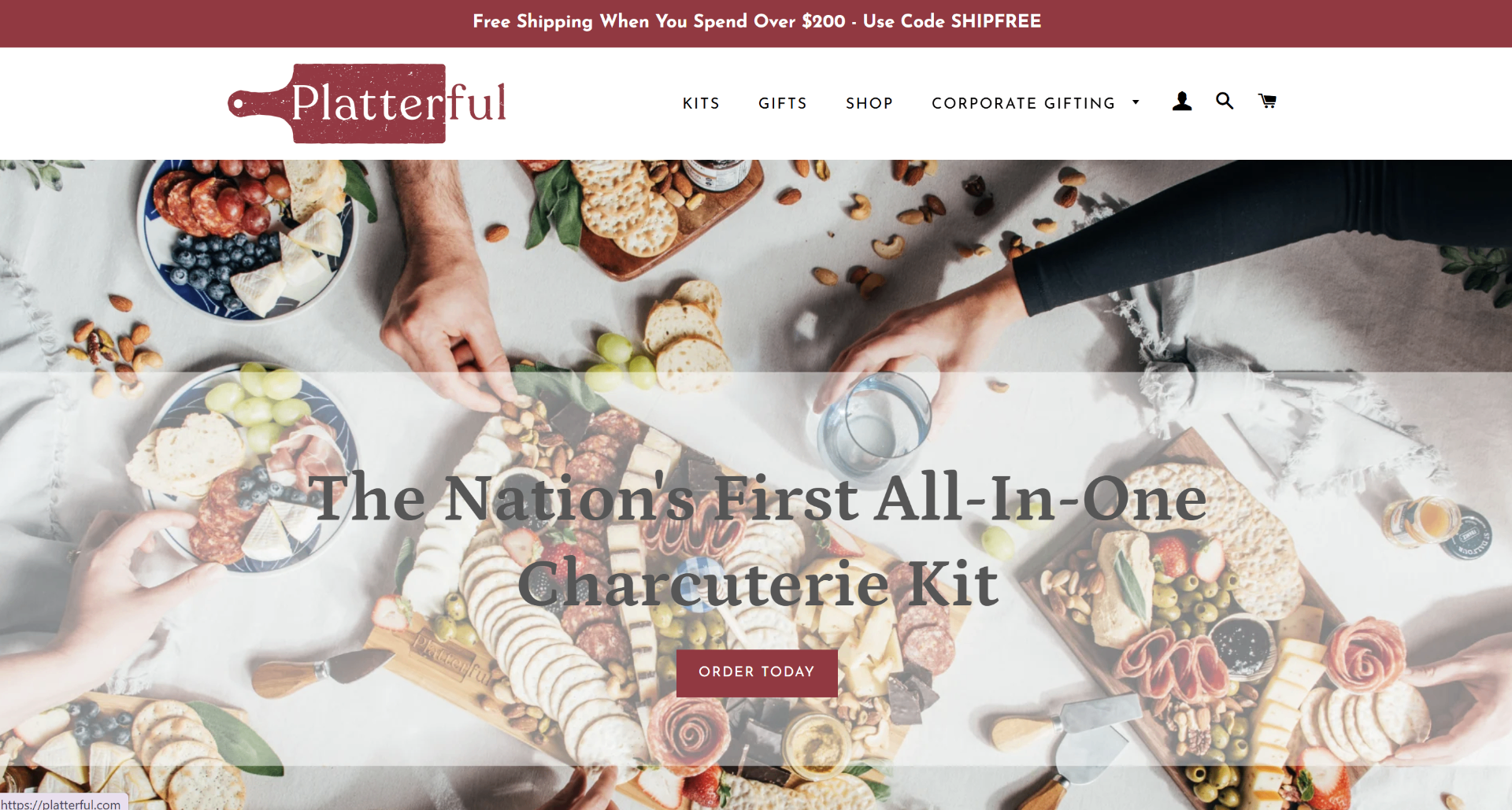
Platterful
Subscription store optimized end-to-end. Product page LCP from 5.1s to 1.1s. Third-party scripts reduced from 28 to 10. Conversion rate improved 31%.
View Case StudyOur Process
How We Optimize Your Store
Full Store Performance Audit
Week 1We audit every page type — homepage, category, product, cart, checkout, account — measuring load times, Core Web Vitals, script impact, image optimization opportunities, and server response times. You receive a prioritized report ranked by revenue impact.
Revenue-Prioritized Optimization Plan
We prioritize optimizations by revenue impact: product pages and checkout first (highest conversion impact), then category pages, homepage, and supporting pages. You approve the plan before implementation begins.
Implementation (Zero Downtime)
Week 2–3We implement all optimizations with zero store downtime — image pipeline, script optimization, critical CSS, server tuning, and CWV fixes. Every change is tested on a staging environment before going live.
Conversion & Speed Verification
We measure before/after speed across all page types and correlate with conversion data. You receive a comprehensive report showing load time improvements, CWV scores, and projected revenue lift based on industry benchmarks.
Ongoing Monitoring
We set up automated speed monitoring for all key page types — alerting you to regressions from theme updates, new app installs, or content changes. Includes monthly CrUX data review for real-user performance tracking.
Deliverables
What You'll Receive
Every e-commerce optimization includes full store audit, implementation across all page types, conversion tracking, and ongoing monitoring.
Full Store Speed Audit
Comprehensive performance analysis of every page type — homepage, category, product, cart, checkout — with prioritized optimization recommendations.
Before/After Performance Report
Detailed comparison showing load times, CWV scores, Lighthouse scores, and waterfall charts for all page types before and after optimization.
Image Optimization Pipeline
Automated image delivery with WebP/AVIF conversion, responsive sizing, lazy loading, and CDN caching — applied across all product and marketing images.
Script Optimization
Third-party app/plugin audit with deferral, facade patterns, and removal recommendations — reducing main-thread blocking by 60–80%.
Critical CSS Implementation
Above-the-fold CSS inlined for instant rendering on all page templates — product, category, checkout, and homepage.
Checkout Flow Optimization
Payment scripts deferred, address validation optimized, checkout DOM streamlined — reducing checkout load time by 60–80%.
Core Web Vitals Fixes
LCP, INP, and CLS optimized across all page types — ensuring Google's 'Good' threshold for organic ranking benefit.
Mobile Performance Optimization
Mobile-specific image sizing, touch interaction optimization, and reduced JavaScript execution for mobile CPUs.
Server & CDN Configuration
TTFB optimization, edge caching, CDN configuration, and cache header setup for global delivery performance.
Revenue Impact Analysis
Projected monthly revenue lift based on measured speed improvements and industry conversion benchmarks.
Speed Monitoring Setup
Automated monitoring for all key page types with regression alerts and monthly CrUX performance reviews.
Platform Maintenance Guide
Documentation for maintaining speed when adding new apps, products, themes, or content.
Pricing
Estimate Your Investment
Answer a few quick questions about your site to get an instant ballpark. Final pricing is confirmed after an audit.
How much traffic does your site get?
How much custom code does your site have?
How many third-party tools are running?
Do you need Core Web Vitals optimization?
How many posts/pages and products does your site have?
Estimated Investment
$1,500 – $2,500
One-time optimization fee
Typical Timeline
5–7 days
Why this range
simple setup
Final quote + plan confirmed after audit
Deep Expertise
E-Commerce Speed Techniques
Product Page Speed Engineering
We optimize the most revenue-critical page type: product images with responsive srcset and lazy loading, variant selectors for instant response, review widgets deferred, recommendation carousels loaded on scroll, and structured data optimized for rich snippets.
Checkout Optimization
We streamline the checkout experience: payment SDKs preloaded, address validation optimized, shipping calculators cached, fraud detection deferred, and the purchase button interactive within 1 second of page load.
Category & Search Performance
We optimize product discovery: faceted navigation responds in under 100ms, product grids render instantly on filter/sort, virtual scrolling for large catalogs, and predictive preloading for the next page of results.
App & Script Management
We audit every installed app and third-party script for performance impact, implementing deferral strategies, facade patterns for widgets, tag manager optimization, and removal of unused/redundant tools.
Image Delivery Architecture
We implement automated image pipelines: WebP/AVIF conversion, responsive sizing per breakpoint, quality optimization by image type, CDN delivery with immutable caching, and blur-up lazy loading placeholders.
Platform-Specific Optimization
We apply platform-specific techniques: Shopify Liquid template optimization, WooCommerce plugin management, Magento full-page cache configuration, BigCommerce Stencil optimization, and headless architecture performance tuning.
FAQ
Frequently Asked Questions
Ready to Turn Speed Into Revenue?
Get a complete store speed audit, revenue-prioritized optimization, and measurable conversion lift — with zero downtime.
Speed Up My Store