The #1 HubSpot CMS Speed Optimization Agency
Expert HubSpot CMS Speed Optimization Services
HubL template profiling, module performance audits, third-party script management, image optimization, and CMS Hub architecture tuning — engineered for HubSpot sites that need to pass Core Web Vitals and convert visitors.
The average HubSpot CMS site takes over 3.5 seconds to load on mobile — above Google's 2.5-second LCP threshold for a ranking boost. Bloated HubL templates, too many marketplace modules, unoptimized HubDB queries, render-blocking tracking scripts, and heavy hero sections compound into failing Core Web Vitals scores, high bounce rates, and lower search rankings. Our HubSpot CMS speed optimization service addresses every layer — from HubL rendering efficiency and module architecture to script management, image CDN tuning, and Interaction to Next Paint (INP) fixes.
Trusted by leading brands
ROI Calculator
How Much Revenue Is Your Slow Site Costing You?
Enter your URL — in 30 seconds, you'll see exactly how much revenue slow speed is costing you.
Enter your website URL
10,000+ sites analyzed · No login required · See your losses in 30 seconds
conversion loss per 1-second delay
of visitors leave after 3 seconds
Think with Google
in annual revenue lost to slow sites
Akamai
of consumers say speed affects purchases
Unbounce
higher bounce rate at 5s vs 1s load
of shoppers won't return to slow sites
Akamai
faster = 1% more conversions
Deloitte
sites analyzed by our tool
PageSpeed Matters
to form a first impression online
Google Research
abandon sites that take 3s+ to load
Portent
conversion loss per 1-second delay
of visitors leave after 3 seconds
Think with Google
in annual revenue lost to slow sites
Akamai
of consumers say speed affects purchases
Unbounce
higher bounce rate at 5s vs 1s load
of shoppers won't return to slow sites
Akamai
faster = 1% more conversions
Deloitte
sites analyzed by our tool
PageSpeed Matters
to form a first impression online
Google Research
abandon sites that take 3s+ to load
Portent
Who This Is For
Is This Right for You?
B2B SaaS & Technology
B2B SaaS companies running their marketing site on HubSpot CMS need fast landing pages, optimized blog performance, and snappy resource centers to drive demo bookings and reduce bounce rates on high-value paid traffic.
Professional Services
Professional services firms using HubSpot CMS for lead generation need fast-loading service pages, case study sections, and contact forms that convert visitors before they bounce to a competitor.
E-Commerce & DTC
E-commerce brands using HubSpot CMS for their marketing site (alongside Shopify/other platforms for checkout) need fast product showcases, landing pages, and blog content that drives organic traffic and conversions.
Enterprise Marketing
Enterprise teams on HubSpot CMS Enterprise with multi-language sites, complex content structures, and heavy CRM integration need optimized HubDB queries, efficient template architecture, and performance at scale.
Common Problems
What's Slowing You Down?
Module & Template Bloat
HubSpot marketplace modules and custom themes accumulate unused CSS/JS, redundant HubL logic, and heavy dependencies. Many sites load 15+ modules per page — each injecting scripts and styles — creating 1–3 seconds of front-end overhead.
Guide: HubSpot Module OptimizationThird-Party Script Overload
HubSpot's tracking code, plus marketing pixels, chat widgets, analytics tools, and CRM integrations compound into 1–3MB of JavaScript. These scripts block the main thread and destroy INP and LCP scores.
Guide: HubSpot Script ManagementUnoptimized Images & Media
HubSpot auto-resizes images but doesn't enforce modern formats or proper sizing by default. Hero images, blog thumbnails, and background images often load at 2–5x their display size, adding 500KB–2MB of unnecessary weight.
Guide: HubSpot Image OptimizationHubDB & Dynamic Content Overhead
HubDB-powered pages with complex filtering, large datasets, and dynamic content rendering create slow server-side processing. Unoptimized HubL loops and HubDB queries can add 1–2 seconds to TTFB.
Guide: HubDB PerformanceOur Solutions
How We Fix It
Template & Module Profiling
We audit every HubL template, custom module, and marketplace module for rendering efficiency, CSS/JS weight, and DOM complexity. Unused modules get removed, heavy modules get rebuilt lightweight, and module loading gets optimized with lazy rendering.
Script Management & Deferral
We implement a comprehensive script loading strategy — deferring non-critical tracking scripts, lazy-loading chat widgets, consolidating analytics tags, and optimizing HubSpot's own tracking code placement for minimal main-thread impact.
Image & Media Optimization
We configure proper image sizing with HubL image filters, implement WebP/AVIF delivery, add responsive srcset attributes, lazy-load below-fold images, and optimize hero/background images for fast LCP.
HubDB & Dynamic Content Tuning
We optimize HubDB queries with proper filtering, implement pagination for large datasets, cache dynamic content where possible, and restructure HubL loops for efficient rendering.
CSS & JavaScript Architecture
We implement Critical CSS per template, consolidate and minify stylesheets, tree-shake unused CSS from theme frameworks, defer non-critical JS, and optimize the render pipeline for fast First Contentful Paint.
Core Web Vitals Engineering
We target LCP, INP, and CLS individually — fixing layout shifts from lazy-loaded modules, optimizing JavaScript execution for interactivity, and monitoring real-user CrUX data until all three metrics pass Google's 28-day rolling window.
The Data
Why Speed Matters for HubSpot Sites
Every study points to the same conclusion — faster sites convert more visitors.
Proof
Our Results
Real sites, real speed improvements, real revenue impact.

Therapevo
Passed Core Web Vitals and improved PageSpeed score from 32 to 96.
View Case Study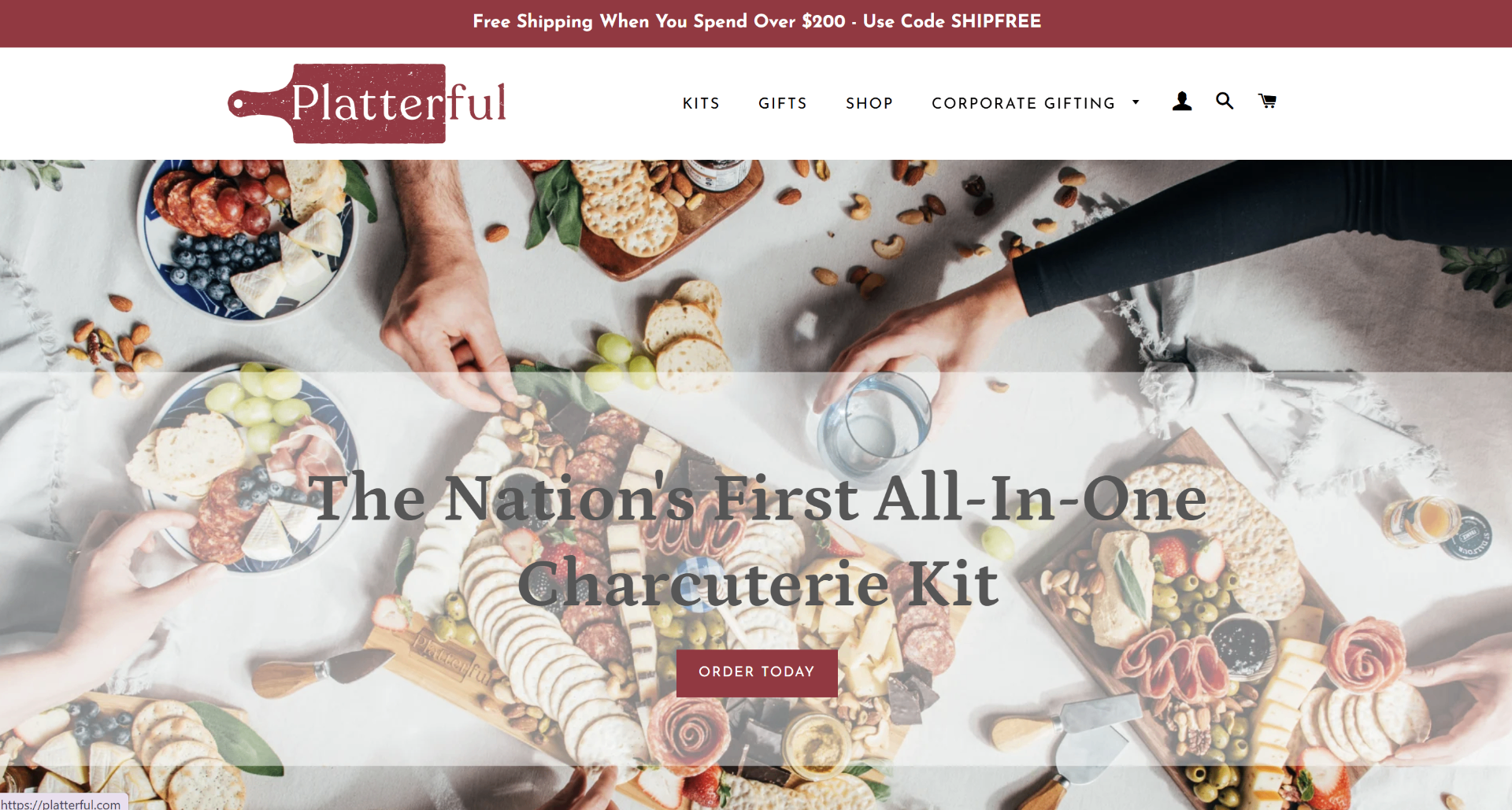
Platterful
80% speed improvement, 20% conversion lift. Mobile score from 50s to 90+.
View Case Study
Pure Parima
38% LCP improvement, 100% CLS fix. Passed all Core Web Vitals.
View Case StudyOur Process
How It Works
Full Site Audit
We run a comprehensive performance audit — HubL template profiling, PageSpeed analysis, Core Web Vitals assessment, module impact ranking, script inventory, and real-device testing. You receive a ranked list of issues sorted by speed impact.
Module & Script Impact Ranking
Every custom module, marketplace module, and third-party script is profiled individually for rendering time, JavaScript weight, and CSS impact. You see exactly what each element costs in milliseconds.
Optimization Sprint
2–3 WeeksOver 2–3 weeks, we implement all fixes: module optimization, script deferral, image optimization, HubDB query tuning, Critical CSS implementation, and template architecture improvements.
Core Web Vitals Monitoring
2–4 WeeksWe monitor real-user field data (CrUX) over 2–4 weeks, making iterative adjustments until LCP, INP, and CLS consistently pass in Google's 28-day rolling window — not just lab scores.
Documentation & Handoff
You receive complete documentation of every change made, a HubSpot speed maintenance guide for your marketing team, and a before/after performance report with revenue impact projections.
Deliverables
What You'll Receive
Every engagement includes comprehensive documentation and reporting.
Before/After Speed Report
PageSpeed and Core Web Vitals scores before and after optimization, with waterfall comparisons.
Module Impact Report
Every custom and marketplace module ranked by rendering time, JS/CSS weight, and DOM complexity.
Module Optimization Playbook
For every slow module identified, specific optimization strategies or lightweight replacement recommendations.
Script Inventory & Strategy
Complete inventory of all third-party scripts with loading strategy recommendations and priority rankings.
Competitor Speed Benchmark
How your site stacks up against 3–5 direct competitors on LCP, TTFB, and Speed Index.
Core Web Vitals Forecast
Projecting exactly which metrics (LCP, CLS, INP) will move into the 'Green' zone, with expected timelines.
Image Optimization Report
Analysis of all images with sizing, format, and delivery optimization recommendations.
Revenue Impact Projection
Custom report mapping your speed improvements to projected revenue gains using your actual traffic and conversion data.
Google Ads / CPC Savings Report
Analysis of how improved page speed lowers your Quality Score penalty and reduces cost-per-click for paid campaigns.
30-Day Post-Launch Monitoring
30 days of monitoring after optimization to ensure gains hold after HubSpot theme updates or content changes.
SEO Impact Forecast
Projected ranking improvements based on Core Web Vitals fixes, with estimated organic traffic gains from your Search Console data.
HubL Performance Guide
Best practices for writing performant HubL templates and modules for your marketing team.
Executive Summary (1-Pager)
A non-technical summary for stakeholders showing what was done, what improved, and what it means in dollars.
Speed Maintenance Guide
A living document with do's and don'ts for maintaining speed as you add modules, pages, and content.
Third-Party Script Analysis
Detailed analysis of every tracking script, chat widget, and integration with performance impact scores.
Pricing
Estimate Your Investment
Answer a few quick questions about your site to get an instant ballpark. Final pricing is confirmed after an audit.
How much traffic does your site get?
How much custom code does your site have?
How many third-party tools are running?
Do you need Core Web Vitals optimization?
How many posts/pages and products does your site have?
Estimated Investment
$1,500 – $2,500
One-time optimization fee
Typical Timeline
5–7 days
Why this range
simple setup
Final quote + plan confirmed after audit
What We Optimize
HubSpot CMS Performance Expertise
HubL Template Profiling
Profile every HubL template for rendering efficiency, loop complexity, macro usage, and conditional logic overhead. Eliminate bottlenecks in server-side rendering.
Module Architecture
Audit every custom and marketplace module for JS/CSS weight, DOM output, and rendering performance. Rebuild heavy modules lightweight.
Script Management
Implement comprehensive third-party script loading strategies — defer, lazy-load, and consolidate all non-critical JavaScript for minimal main-thread impact.
HubDB & Serverless
Optimize HubDB queries, implement pagination, cache dynamic content, and tune serverless function performance for fast TTFB.
CSS & JS Architecture
Implement Critical CSS per template, consolidate stylesheets, tree-shake unused CSS from theme frameworks, and optimize the render pipeline.
Image & CDN Optimization
Configure proper image sizing with HubL filters, implement WebP/AVIF delivery, responsive srcset, lazy loading, and optimize HubSpot's CDN caching.
Deep Dives
HubSpot CMS Speed Guides
Go deeper with our free expert guides on HubSpot CMS performance.
FAQ
Frequently Asked Questions
Ready to Get Started?
Request an audit and see exactly how we can improve your HubSpot site's performance.
Request An Audit