The #1 Healthcare Website Speed Optimization Agency
Healthcare Website Speed Optimization Services
Your healthcare website takes 5–8 seconds to load. Find-a-doctor pages choke on provider directories. Patient portal logins are sluggish. Appointment booking forms lag between steps. Every second of delay costs you patient appointments — and patients are one Google search away from a competing practice. We optimize every patient-facing page for sub-2-second load times and instant booking responsiveness.
Healthcare organizations face unique speed challenges: provider directory pages with hundreds of physician profiles and headshots, appointment scheduling systems that query real-time availability across multiple EHR systems, patient portal login pages that load heavy authentication frameworks, service line pages with complex content and embedded videos, location pages with maps and hours, and strict compliance requirements (HIPAA, ADA/Section 508, WCAG AA) that constrain optimization options. The business impact is severe: Google found that as page load time goes from 1 to 5 seconds, bounce probability increases 90%. For a health system spending $50,000–$200,000/month on digital marketing driving traffic to appointment booking pages, a 6-second load time means 40–50% of visitors bounce before finding a doctor or booking an appointment. At $15–$50 per click on healthcare keywords, that's hundreds of thousands in wasted annual ad spend. Our healthcare website speed optimization covers the entire patient journey: landing pages for paid campaigns, find-a-doctor directories, provider profile pages, appointment scheduling, service line pages, location/campus pages, patient portal login, and intake forms. We deliver sub-2-second load times with instant booking responsiveness — while maintaining 100% HIPAA compliance, ADA/WCAG AA accessibility, and Section 508 standards.
Trusted by leading brands
ROI Calculator
How Much Revenue Is Your Slow Site Costing You?
Enter your URL — in 30 seconds, you'll see exactly how much revenue slow speed is costing you.
Enter your website URL
10,000+ sites analyzed · No login required · See your losses in 30 seconds
conversion loss per 1-second delay
of visitors leave after 3 seconds
Think with Google
in annual revenue lost to slow sites
Akamai
of consumers say speed affects purchases
Unbounce
higher bounce rate at 5s vs 1s load
of shoppers won't return to slow sites
Akamai
faster = 1% more conversions
Deloitte
sites analyzed by our tool
PageSpeed Matters
to form a first impression online
Google Research
abandon sites that take 3s+ to load
Portent
conversion loss per 1-second delay
of visitors leave after 3 seconds
Think with Google
in annual revenue lost to slow sites
Akamai
of consumers say speed affects purchases
Unbounce
higher bounce rate at 5s vs 1s load
of shoppers won't return to slow sites
Akamai
faster = 1% more conversions
Deloitte
sites analyzed by our tool
PageSpeed Matters
to form a first impression online
Google Research
abandon sites that take 3s+ to load
Portent
Who This Is For
Is Your Website Losing Patient Appointments?
Health Systems & Hospitals
Large health systems with hundreds of provider profiles, dozens of service lines, and complex multi-site architectures. Speed optimization at scale requires systematic approach to templates, images, EHR integrations, and third-party scripts.
Medical Groups & Practices
Medical groups where online appointment booking is the primary patient acquisition channel. A 1-second improvement in booking page load time increases appointment completions by 15–25% — directly impacting new patient volume.
Dental & Vision
Dental and vision practices competing locally where Google Map Pack ranking directly correlates with new patient calls. Core Web Vitals improvements boost local SEO rankings and reduce cost per new patient.
Behavioral Health
Behavioral health providers where patients often search in crisis on mobile devices. Sub-2-second load times and prominent click-to-call CTAs are critical — these patients cannot wait for a slow site.
The Problem
Why Your Healthcare Site Is Losing Patients
Find-a-Doctor Pages Take 6–8 Seconds to Load
Provider directory pages are the most important conversion pages on healthcare sites — they're where patients choose their doctor. But each page loads hundreds of provider records, headshots, specialty filters, location data, insurance filters, and real-time availability widgets. The search experience is sluggish and filters take 500ms+ to respond.
Guide: Core Web VitalsAppointment Booking Is Slow and Unresponsive
Online scheduling systems (ZocDoc, Kyruus, Phreesia, Epic MyChart) inject heavy third-party JavaScript, iframes, and real-time availability API calls. Booking forms take 3–5 seconds to become interactive. Slot selection freezes the browser. Patients abandon mid-booking because the experience feels broken.
Guide: Third-Party ScriptsPatient Portal Login Is Sluggish
Patient portal login pages (Epic MyChart, Cerner, athenahealth) load heavy authentication frameworks, security scripts, and compliance banners. The login page alone takes 4–6 seconds to load. Patients trying to access test results, message their doctor, or refill prescriptions bounce before the login form appears.
Guide: INP & InteractivityService Line Pages Are Content-Heavy
Service line pages (cardiology, orthopedics, oncology) contain extensive medical content, provider carousels, embedded videos, location widgets, insurance information, and FAQ sections. Without optimization, these pages weigh 5–10MB and take 6+ seconds to load — losing patients who are actively searching for care.
Guide: Platform Speed ComparisonMobile Experience Fails Patients
65%+ of healthcare searches happen on mobile, often in urgent situations. But provider directories designed for desktop are unusable on phones. Appointment booking requires pinch-zooming. Location pages load full interactive maps that drain battery and data. Mobile booking conversion is 50–60% lower than desktop.
Guide: Mobile SpeedPaid Landing Pages Waste Marketing Budget
Healthcare keywords cost $15–$50+ per click on Google Ads. Service line landing pages take 5+ seconds to load, Quality Score drops, CPCs increase, and 40% of expensive clicks bounce before seeing a provider or booking link. Facebook and Instagram ads driving traffic to appointment pages see similar bounce rates.
Guide: Speed Testing ToolsHow We Fix It
Speed-Optimized Patient Experiences
Provider Directory Speed Engineering
We optimize find-a-doctor pages for instant search: virtualized provider lists that render only visible cards, responsive headshots with WebP/AVIF and lazy loading, client-side filter state management without full page reloads, and progressive loading of availability data. Directory search feels native and instant.
Booking System Optimization
We optimize scheduling integrations (ZocDoc, Kyruus, Phreesia, Epic) for minimum performance impact: deferred JavaScript loading, pre-allocated DOM elements to prevent CLS, progressive availability loading, and event-driven initialization. Booking becomes interactive in under 1.5 seconds.
Patient Portal Speed Fix
We optimize portal login pages: critical CSS inlined, authentication frameworks lazy-loaded, compliance banners rendered efficiently, and security scripts loaded async without compromising security. Login pages load in under 1 second — patients access their health information instantly.
Service Line Page Optimization
We optimize content-heavy service line pages: hero images converted to WebP/AVIF, provider carousels lazy-loaded, videos use poster frames with play-on-click, location widgets deferred, and FAQ schema markup rendered efficiently. Sub-2-second load times for every specialty.
Mobile-First Patient Experience
We rebuild the mobile experience: click-to-call prominently placed, touch-optimized booking flows, mobile-specific provider cards, responsive location maps with static tiles, and mobile JavaScript bundles that prioritize booking interactivity over analytics.
Landing Page Speed for Lower CPCs
We create speed-optimized landing page variants for paid campaigns: minimal scripts on initial load, provider/booking CTA above the fold, scheduling widget loaded async, and sub-1.5-second LCP. Higher Quality Scores reduce CPCs by 15–25% on competitive healthcare keywords.
The Data
The Impact of Healthcare Site Speed
Speed optimization is the highest-ROI lever for patient acquisition.
Proof
Healthcare Speed Results

Therapevo
Healthcare services site optimized. Passed Core Web Vitals and improved PageSpeed score from 32 to 96.
View Case Study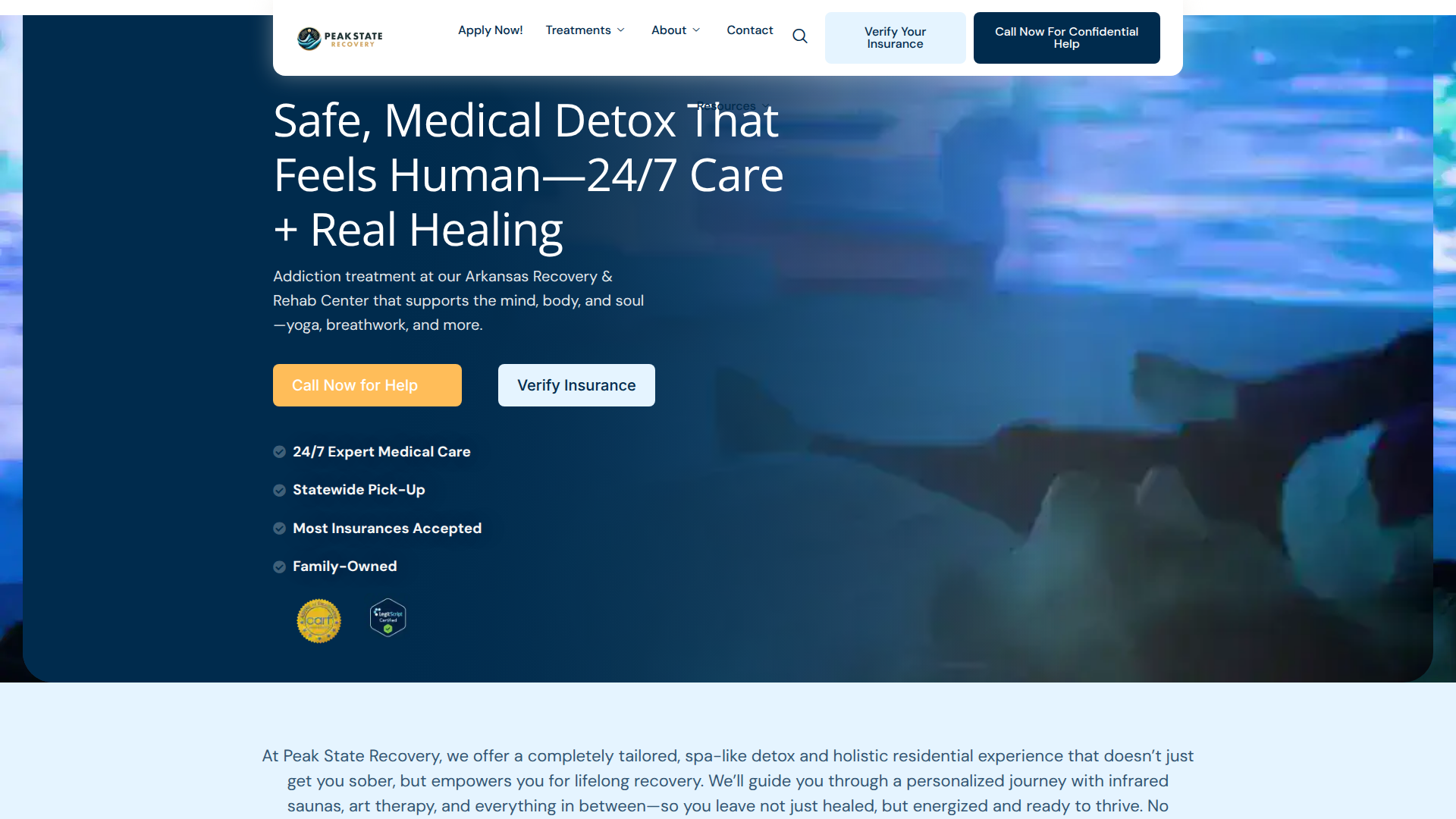
Peak State Recovery
Full-stack WordPress speed optimization for health & wellness site.
View Case Study
Behavioral Pharma
Theme & form optimization for WordPress pharmaceutical site.
View Case StudyOur Process
How We Optimize Healthcare Sites
Patient Journey Audit
Week 1We audit every page in the patient acquisition journey — landing pages, find-a-doctor, provider profiles, appointment booking, service line pages, location pages, patient portal — measuring load times, Core Web Vitals, script impact, booking responsiveness, and conversion data. You receive a prioritized report ranked by appointment booking impact.
Booking-Impact Prioritization
We prioritize by appointment booking impact: find-a-doctor and booking pages first (highest conversion impact), then service line pages, then provider profiles and location pages. HIPAA, ADA, and Section 508 requirements are documented upfront. You approve the plan before implementation.
Implementation
Week 2–3We implement all optimizations: provider directory speed engineering, booking system optimization, patient portal speed fix, service line page optimization, mobile experience rebuild, and landing page speed variants. Each change is tested for HIPAA compliance, accessibility, and booking functionality.
Conversion Verification
We measure before/after speed across all page types and correlate with appointment booking data. You receive a comprehensive report showing load time improvements, CWV scores, booking rate lift, accessibility scores, and projected ad spend savings.
Ongoing Monitoring
We set up automated speed monitoring for all patient journey pages — alerting you to regressions from CMS updates, EHR integration changes, or new script additions. Monthly performance reviews track real-user data via CrUX.
Deliverables
What You'll Receive
Every healthcare optimization includes patient journey audit, provider directory speed pack, booking system optimization, accessibility verification, and ongoing monitoring.
Patient Journey Speed Audit
Comprehensive performance analysis of every page in the patient journey — landing, find-a-doctor, provider profile, booking, service line, location, portal — with recommendations ranked by booking impact.
Before/After Performance Report
Detailed comparison showing load times, CWV scores, Lighthouse scores, accessibility scores, and waterfall charts for all page types before and after optimization.
Provider Directory Speed Pack
Virtualized provider lists, responsive headshots with WebP/AVIF, lazy loading, instant client-side filtering, and progressive availability data loading.
Booking System Optimization
Scheduling integration optimized: deferred JS, pre-allocated DOM, progressive availability loading, and sub-1.5s time-to-interactive for booking widgets.
Patient Portal Speed Fix
Portal login optimized: critical CSS inlined, auth frameworks lazy-loaded, compliance banners efficient, security scripts async — sub-1s login page load.
Service Line Page Pack
All service line templates optimized: WebP/AVIF hero images, lazy provider carousels, play-on-click video, deferred location widgets, efficient schema markup.
Mobile Patient Experience
Click-to-call placement, touch-optimized booking, mobile provider cards, static map tiles, and mobile-specific JavaScript bundles.
Landing Page Speed Variants
Speed-optimized landing pages for paid campaigns — minimal scripts, above-fold booking CTA, async scheduling widget, sub-1.5s LCP.
Image & Media Pipeline
WebP/AVIF conversion, responsive sizing, lazy loading for provider headshots, facility photos, service line imagery, and campus photography.
Core Web Vitals Fixes
LCP, INP, and CLS optimized across all page types — ensuring Google's 'Good' threshold for organic ranking benefit.
Accessibility Audit Report
WCAG AA compliance verification across all optimized pages — contrast ratios, focus management, screen reader testing, and keyboard navigation.
Speed Monitoring Setup
Automated monitoring for all patient journey pages with regression alerts and monthly CrUX performance reviews.
Pricing
Estimate Your Investment
Answer a few quick questions about your site to get an instant ballpark. Final pricing is confirmed after an audit.
How much traffic does your site get?
How much custom code does your site have?
How many third-party tools are running?
Do you need Core Web Vitals optimization?
How many posts/pages and products does your site have?
Estimated Investment
$1,500 – $2,500
One-time optimization fee
Typical Timeline
5–7 days
Why this range
simple setup
Final quote + plan confirmed after audit
Deep Expertise
Healthcare Speed Techniques
Provider Directory Speed
We optimize find-a-doctor pages with virtualized rendering, responsive headshots, client-side filtering, progressive availability loading, and instant search — handling directories with 500+ providers without performance degradation.
EHR Integration Optimization
We optimize Epic MyChart, Cerner, athenahealth, and other EHR scheduling integrations for deferred loading, progressive availability display, and minimal main-thread impact while maintaining full booking functionality.
HIPAA-Safe Caching
We implement performance caching strategies that maintain HIPAA compliance: static asset CDN caching, no PHI in edge caches, proper cache-control headers on authenticated pages, and compliant cookie handling.
Healthcare Accessibility
We ensure WCAG AA compliance across all optimized pages: proper heading hierarchy, keyboard navigation, screen reader compatibility, 4.5:1 contrast ratios, focus indicators, and ARIA labels on interactive elements.
Service Line Landing Pages
We create speed-optimized landing pages for healthcare PPC: specialty-specific content above the fold, booking CTA visible immediately, provider carousel lazy-loaded, and sub-1.5s LCP.
Location Page Optimization
We optimize multi-location pages: static map tiles on initial load, progressive interactive maps, lazy-loaded hours/insurance widgets, structured data for local SEO, and campus photo optimization.
FAQ
Frequently Asked Questions
Ready to Turn Speed Into Patient Appointments?
Get a complete healthcare site speed audit, booking funnel optimization, and measurable patient acquisition lift.
Speed Up My Healthcare Site